
Cornstalk Studios
We built a tool for making shows, made one with it, and it made us a studio.
We built a tool for making shows, made one with it, and it made us a studio.
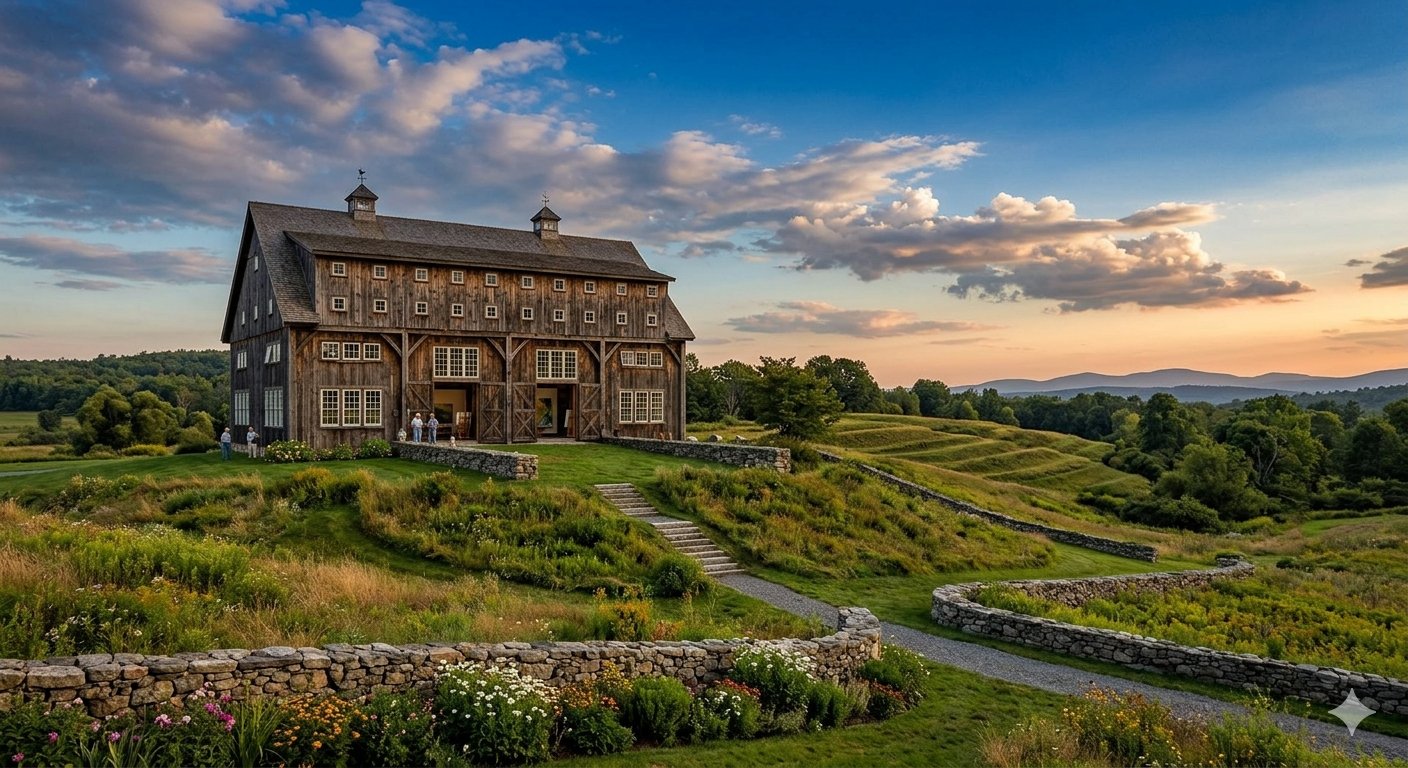
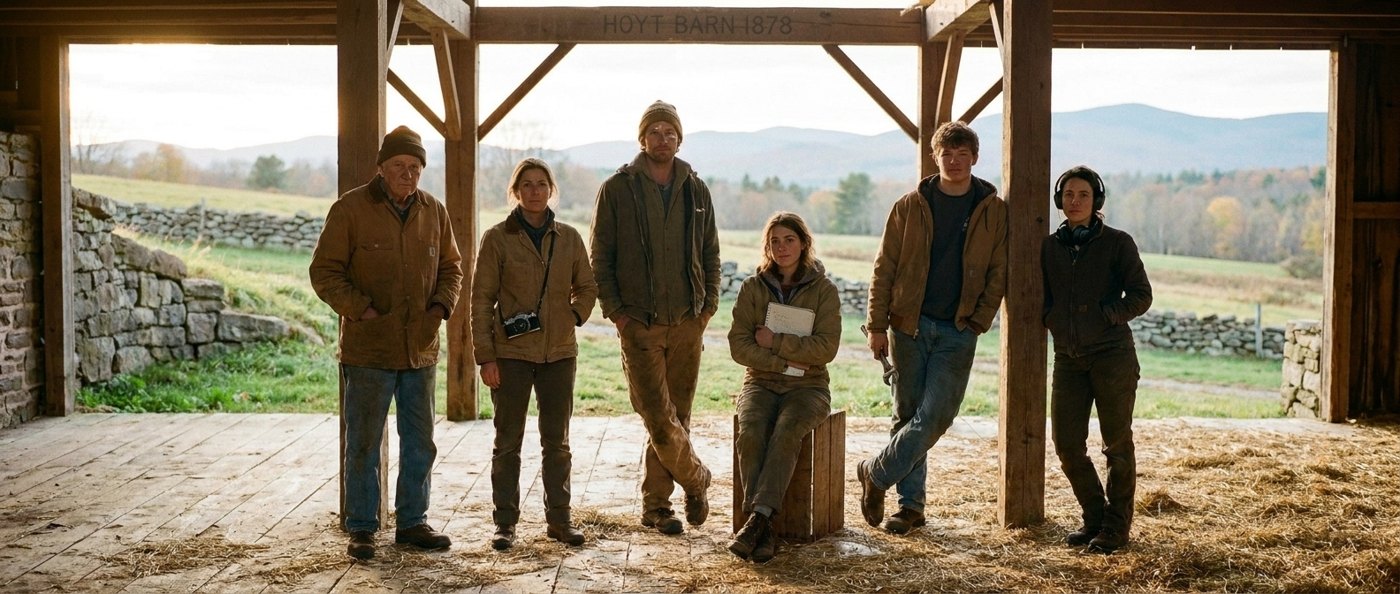
In Sanborn, New Hampshire, an extended family converts their 1878 timber barn into an arts workspace to save it from dereliction, solving clients' creative emergencies every week while their eighty-eight-year-old patriarch watches from the yard and refuses to come inside.
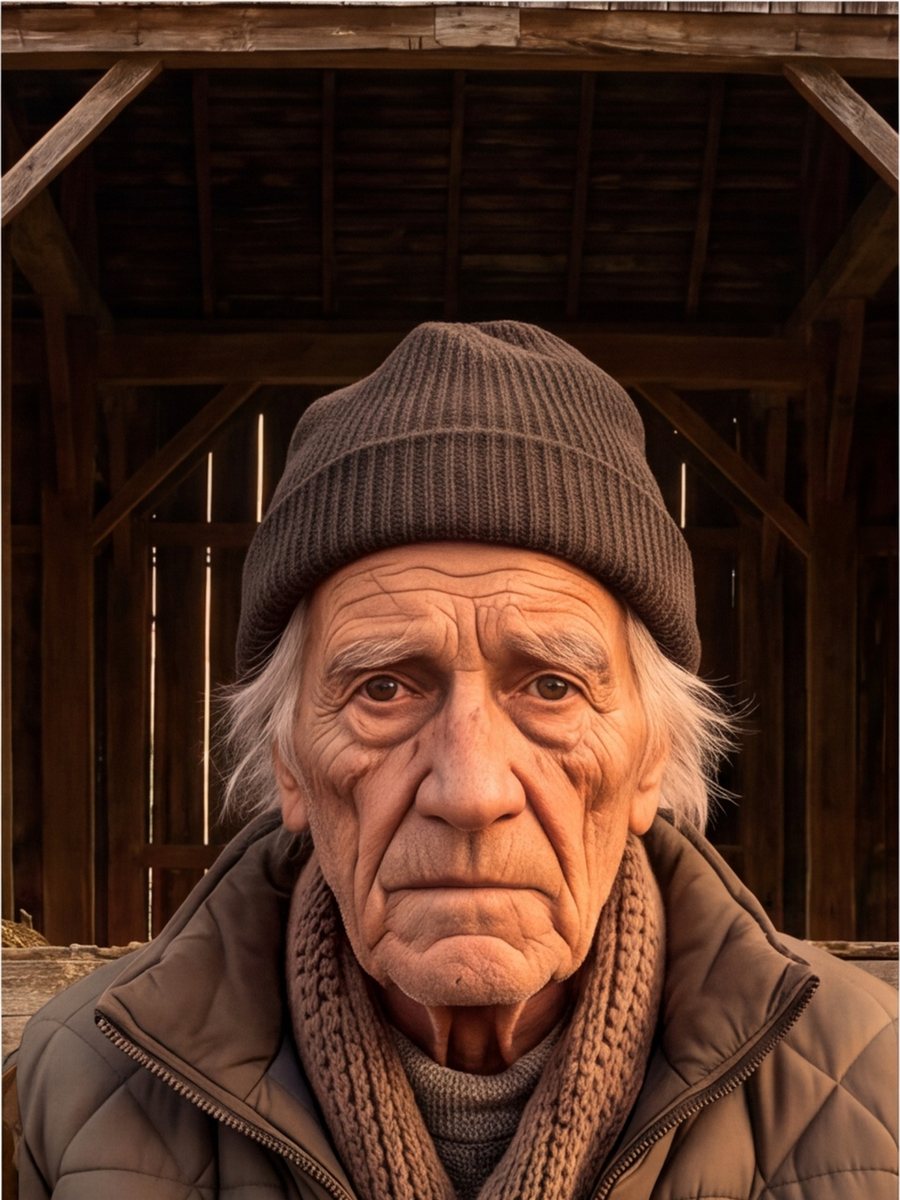
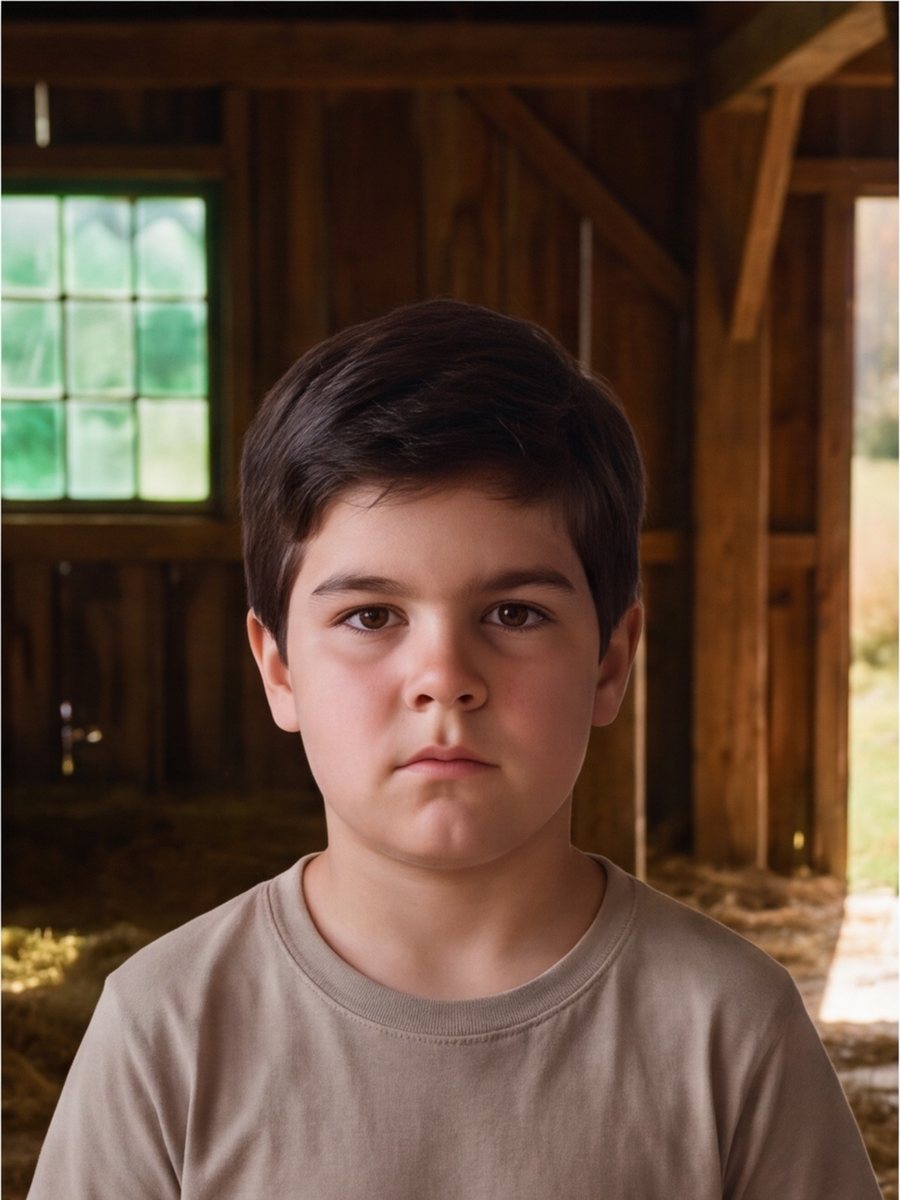
March 2019, and a barn nobody has decided anything about. Alden Hoyt is eighty-one and goes up the loft ladder every day, which everyone has told him not to do. Teddy is twelve and holds the bottom of it and does not tell anyone. That is the arrangement, and it is the first thing the show lets you in on.
Up in the chaff and the four soft bars of light off the old green glass, Alden points a calloused thumb past the collar tie at the square timber sticking out over the gable door. The hoist beam. His father rigged the tackle on it with two draft horses and a snatch block; half a wagonload of loose hay, if the rope did not bind. Nineteen sixty-one was the last year they threw the rope over it. Below, through a gap in the slats, the rest of the family is pulling rotten boards off the south wall, arguing about stain, not yet saying the things they are about to say. Teddy leans his weight into the ladder. Still solid.
Eleven minutes of light are coming. Nothing will be decided. It will take them seven years.
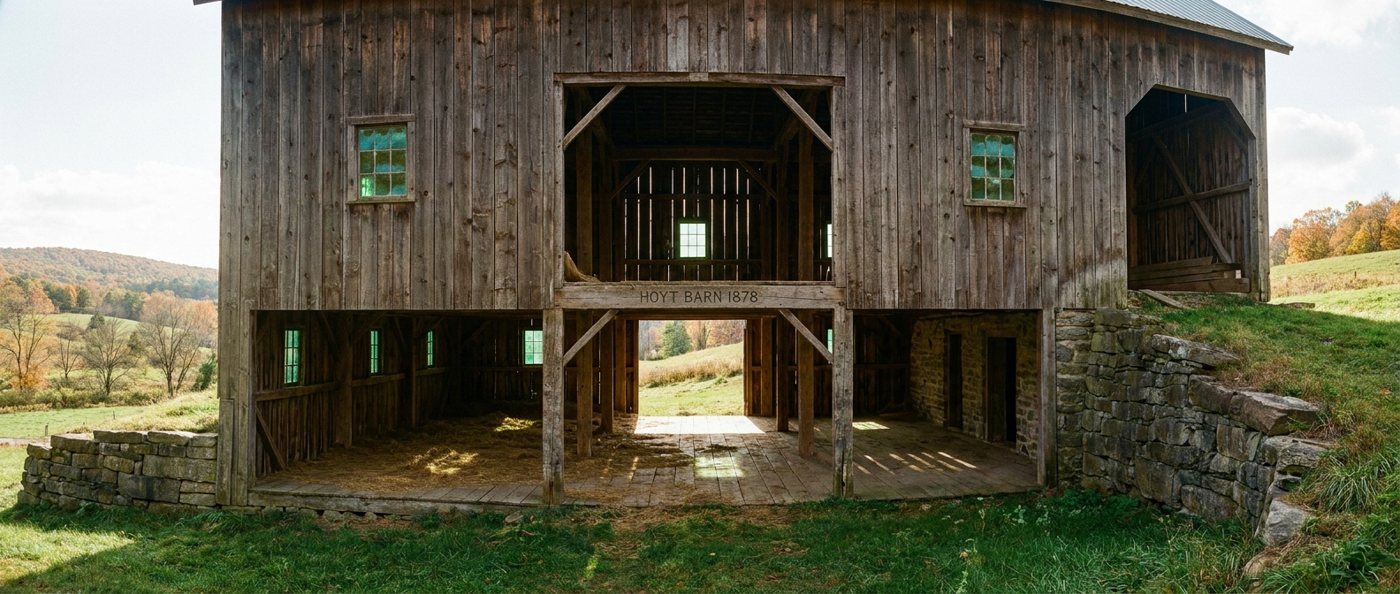
Sanborn, New Hampshire. A barn that has stood on the Hoyt place since 1878, and the family that finally decides what it is for.
For thirty summers the barn had a season: once a month from June to September, people came from all round the lakes for hootenannies in the loft and poems read off the stairs, and it ran until well after dark. Alden Hoyt's mother started it in the sixties and Alden kept it up after her. The family called the whole business cornstalk, written lowercase in the ledger where she kept track of who was coming, and nobody now alive can say why. The last one was in 1994.
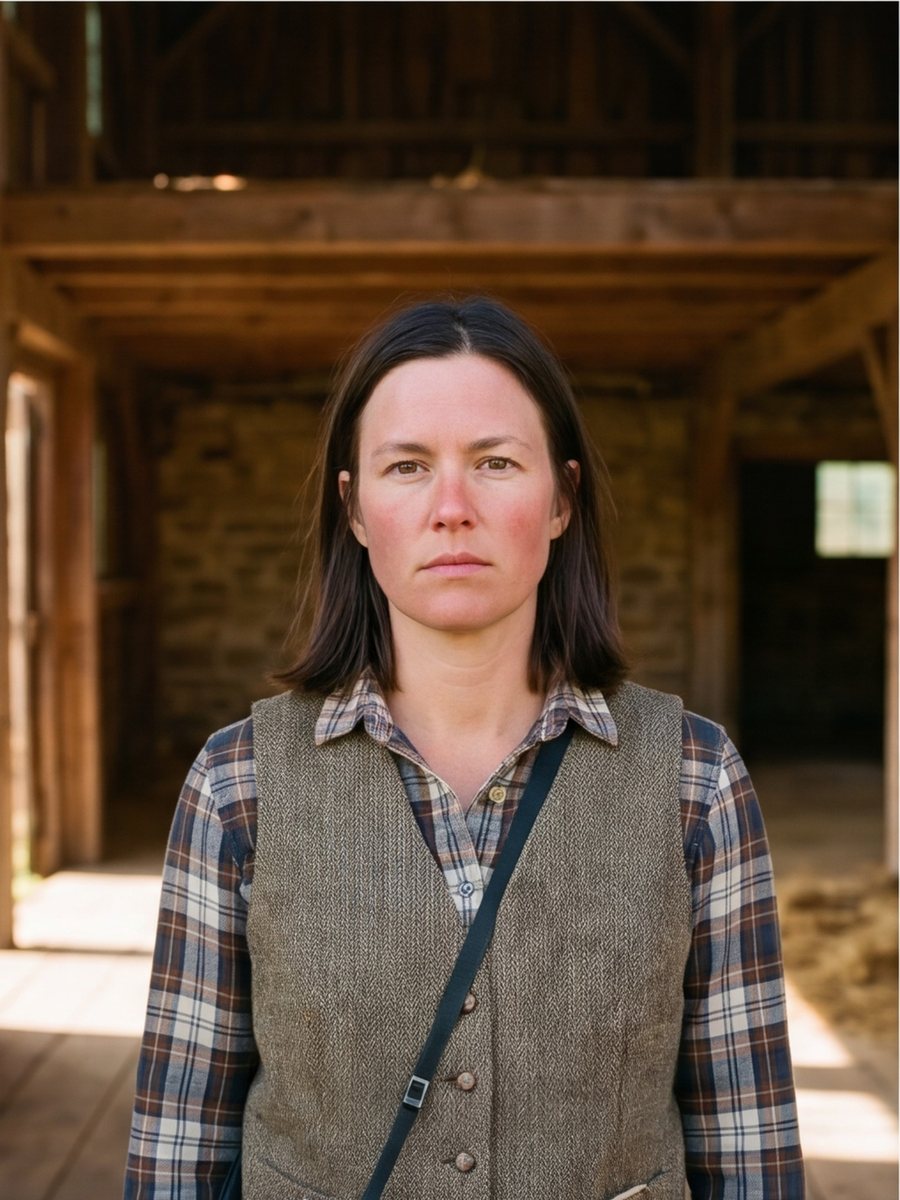
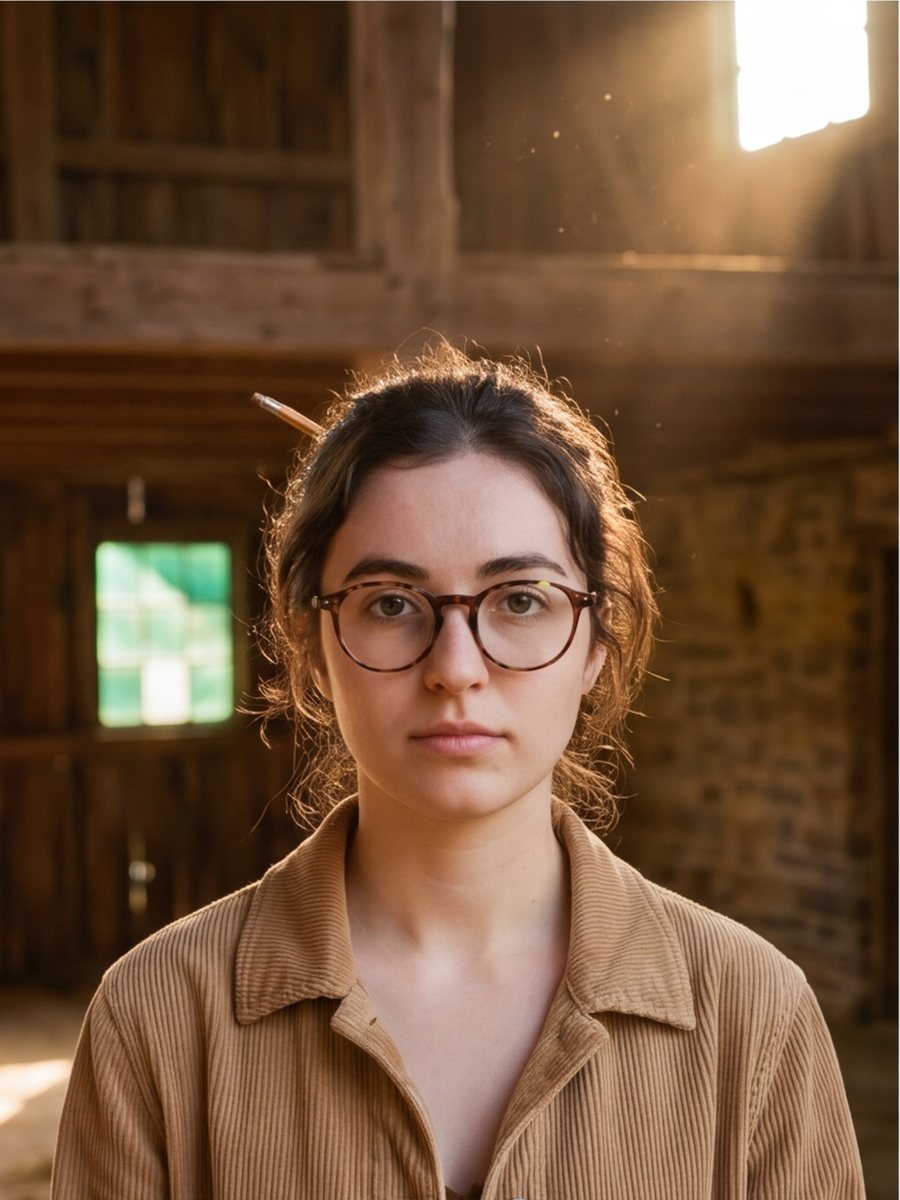
March 2019. Alden is eighty-one and still goes up the loft ladder every day. His granddaughter Junie is a photographer who has shot the barn's four o'clock light every March for fifteen years and shown it to no one. Her brother Wes records songs under a blanket because it is the only room where you cannot hear the road. Their cousin Margo writes at the kitchen table and stops whenever anyone comes in. Teddy, twelve, takes things apart and follows Alden everywhere. A letter from the town sits in a drawer with the word derelict in it. They are out replacing rotten boards on the south wall when the light comes through the gable door and lands on the floor a foot wide, as it does for eleven minutes every March afternoon, and for those eleven minutes all five of them are in the same room for no reason at all. Junie says it without putting the camera down: there are nineteen rooms in this building, and for sixty years it has been the only place any of them ever made anything. Alone. Nobody answers. Nothing is decided.
Seven years later. Junie has a permit, a spreadsheet and a plan to rent nineteen rooms to people from away who want to make something and have nowhere to make it. The conversion is not a montage; it is an argument about a building somebody left them, conducted in front of the man who left it. What comes out, what it costs, whether any of it is a betrayal. The hoist beam that has done nothing since 1961 is in the way of the stair, and they leave it in. In June a sign goes up on it: CORNSTALK STUDIOS, under a mark Alden's mother drew in the margin of her ledger sixty years earlier, with one thing added — a strip of film wound once around the base of the stalk. The kernels are the only colour in it. Between themselves the family never calls the place that. It has been the story barn since the afternoon Junie counted the rooms.
Then the strangers start arriving, and that is the show. The barn takes any job, because the barn has a mortgage: an audiobook of a novel nobody bought, a music video for a song Wes privately thinks is bad, eleven versions of a forty-second commercial about fence posts that only the poet is free to write. Every week somebody comes up the drive with work that has to be made, and one of the Hoyts ends up in the wrong room doing a kind of work they have opinions about. The client's problem is solved by Friday. The family's is not. And Alden, eighty-eight now, comes over most days and stands in the yard and asks Teddy what they are doing in there. He does not go in. The season ends when he does.
The pilot is two days seven years apart, and the cut between them is the whole pitch.